Decisions at Racing Speed
Racecraft is not simply being brave. It is noticing what is changing, choosing a proportionate response and keeping the competition safe.
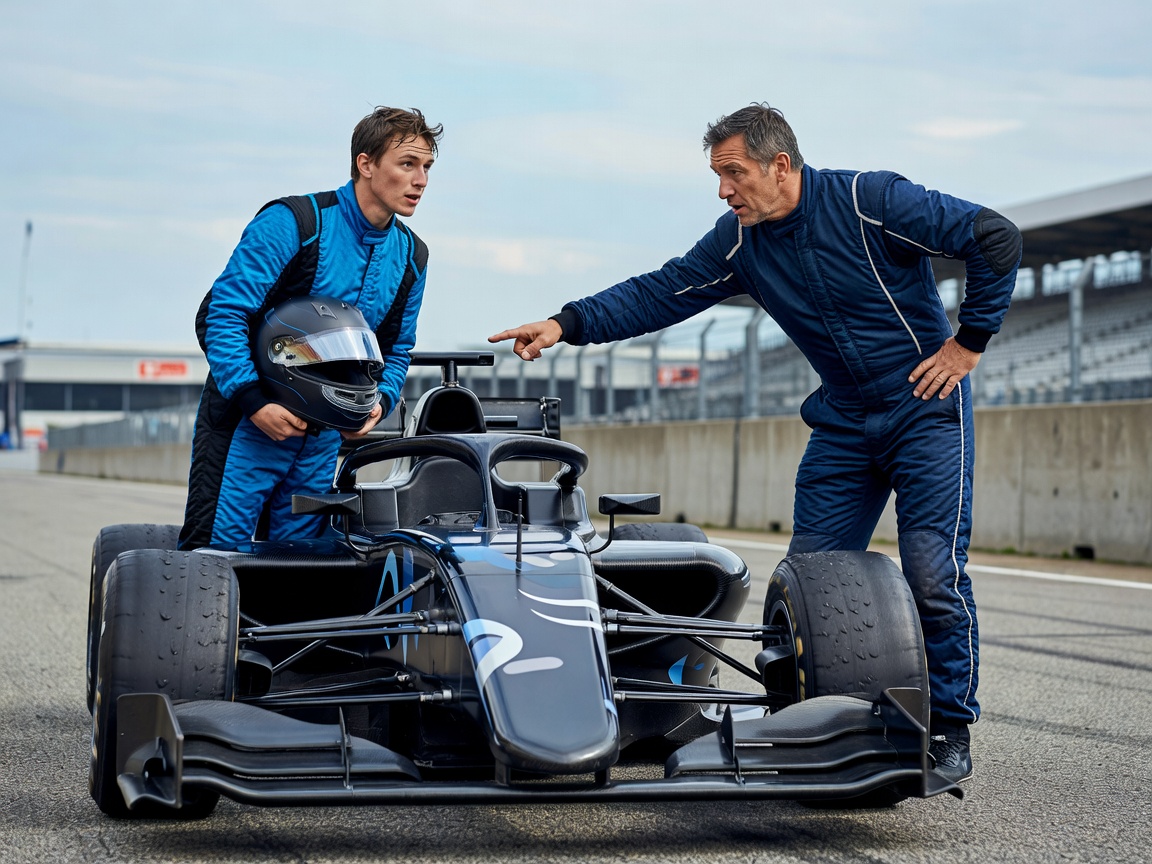
What racecraft includes
Racecraft describes the judgement a driver uses in traffic and competition. It includes reading another car’s position, selecting a line, planning a pass, defending within the rules, managing risk, understanding flags and responding when the expected space disappears. It is a group of learnable decisions rather than a mysterious instinct reserved for naturally aggressive drivers.
A driver can be quick in clear air and still need practice when the circuit becomes busy. Conversely, a measured driver may be developing strong awareness even before their lap time is exceptional. Coaches can help make these skills visible by setting a clear task: follow at a safe distance, observe a rival’s habits, practise a start procedure, or review where a passing opportunity became unsafe. The exercise should fit the driver’s experience, equipment and event rules.
Build observation before ambition
Good decisions begin with information. Drivers learn to use mirrors and peripheral awareness, judge closing speed, recognise when a rival has committed to a line and anticipate how tyres, weather and traffic affect available grip. They also learn to look beyond the next corner. This does not mean predicting every move; it means staying curious and leaving room to respond.
At kart tracks such as Whilton Mill, PFI or Warden Law, developing racers may encounter dense groups and frequent changes of position. The same broad lessons apply in cars, but the speed, braking distances, visibility, vehicle behaviour and rules differ. A karting habit should not be transferred mechanically into a formula car. Instructors should explain what changes between disciplines and build exercises progressively.
Ask how a programme handles safety. What is the briefing process? Who monitors the session? How are flags and incidents discussed? What happens if a participant is overwhelmed or conditions deteriorate? A serious coaching culture treats safe judgement as part of performance, not as an obstacle to it.
Practise decisions, not just lap times
Useful practice gives a driver a specific intention. A coach might ask a learner to identify a safe passing zone, hold a predictable line, manage a restart or explain how they made a decision after a near miss. Data, onboard footage and observation can help, but they do not replace a clear conversation. The aim is to connect what the driver noticed with what they did and what happened next.
When comparing academy sessions, ask whether there is guided practice or simply track access. How many drivers share the session? Is a coach watching live? Is video reviewed? Does feedback refer to something concrete, such as timing, positioning or an alternative choice? Seat time has value, but repetition without reflection can reinforce a habit that needs changing.
A debrief should be specific and balanced. Instead of “be more aggressive,” a coach could discuss where the driver had overlap, what the other car could see, which rule applied and what safer option was available. Drivers should be invited to describe their own view before being told what they missed. That exchange develops honest self-assessment and makes it easier to speak up when something feels unclear.
Rules, officials and shared responsibility
Motorsport is governed by event regulations, sporting codes and series-specific instructions. The FIA International Sporting Code and the rules of a championship provide a wider framework, while Motorsport UK publishes requirements relevant to many UK events. These documents change and are interpreted in context; a short course cannot replace reading the regulations that apply to a specific meeting. Drivers and families should check current official material with the organiser.
Learning racecraft also means respecting officials, marshals, other competitors and team members. A driver who can own a mistake, report a concern and learn from a penalty is building habits that matter beyond one race. Coaches should explain that responsibility remains with the driver even when a session is structured or supervised.
Questions for a racecraft coach
- What decisions will the session focus on?
- How will safe conduct be monitored?
- Will the driver receive individual observation or debrief time?
- What evidence—notes, footage or data—will be used?
- How do exercises change between karting and cars?
- How can a driver raise a concern or request a pause?
A good racecraft programme is not measured by how often a driver dives into a gap. It is measured by whether the learner becomes more observant, thoughtful, consistent and capable of making safe decisions at speed.